
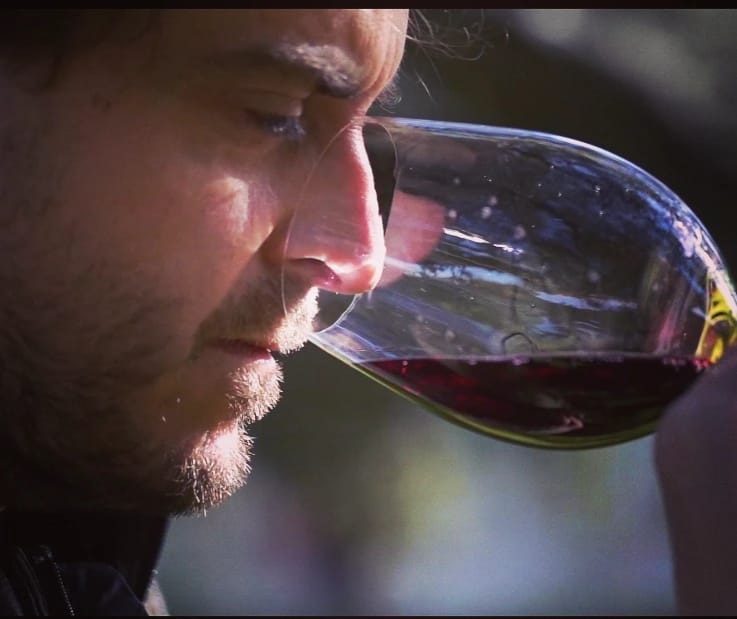
“Our history weighs heavily, but it also drives us forward.”
Javier Bañales discusses the 130th anniversary, new wines, renovated spaces and the future of Rioja on Radio Haro: "We are 130 years old, but we are more alive than ever."
19 Oct 2025 | Martínez Lacuesta
130 years later, we are still moving forward: renovated spaces, new wines, awards, and a clear vision for Rioja. Interview broadcast on Radio Haro, which you can listen to in full here.
In an interview with Radio Haro, Javier Bañales looks back on a special year: the 130th anniversary, the renovation of the Wine Bar and shop, the launch of La Centenaria and Conzia, and a new impetus for wine tourism and the winery experience.
You celebrated this 130th anniversary ‘at home’, but with many new features. How did you actually approach it?
It has been a very emotional and, at the same time, very practical year. We started on 1 February with an internal meeting for the winery staff, because it made sense for us to start from within. From there, we prioritised decisions with a real impact on the experience: the complete renovation of the Wine Bar and shop, which are now much more comfortable spaces designed for wine culture, not just for selling. And all with a friendly tone: less “big event”, more doing what we do well and sharing it.
What product milestones would you highlight within the anniversary?
Two, both highly symbolic. On the one hand, La Centenaria, a wine from a vineyard planted in 1921 in Haro, with the 2022 vintage, which connects with the winery’s memory and brings it into the present. On the other hand,
Beyond wines, you have been seen with many professionals from abroad. What have you done in terms of prescription and internationalisation?
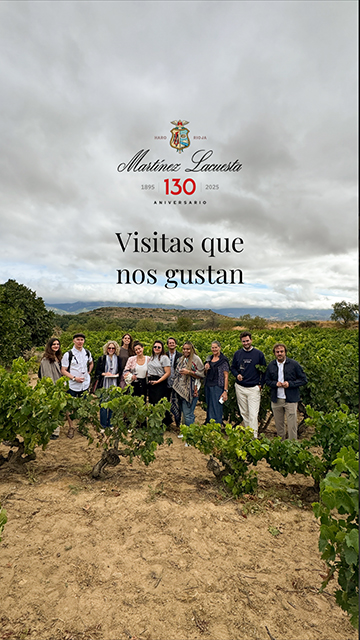
We have organised reverse missions and welcomed top-level sommeliers who have come to Haro to visit the winery and taste our wines with us; for example, a large group from New York. These types of visits are very helpful because they allow us to explain the project at length, in the winery, and not just at trade fairs. We have also worked with the specialist press and influencers who are looking for compelling stories behind the wines.
Your 125th anniversary coincided with the pandemic and could not be celebrated as it should have been. Has that disappointment influenced 2025?
Yes, of course. We had the feeling that we needed to celebrate,
In terms of recognition, it has been a powerful year. What has happened with Hinia and Colección Familia?
At the Drink Business Masters blind tasting, conducted by Masters of Wine, our Hinia Blanco Reserva 2021 was chosen as the best Rioja of the year, and the Gran Reserva Colección Familia won a gold medal. These are joys that come when the work is well focused. Furthermore, Álvaro Martínez’s presence in Master Winemakers 100 gives us visibility as a team and reinforces the idea that Martínez Lacuesta is a long-term project.
You often say “go for value”. How does that translate in a classic winery?
For us, it means not playing on volume or economies of scale. Value is identity, refinement, respect for time and a recognisable style in the glass. We are 130 years old, and that requires discipline: doing things well, even if it takes longer, and accepting that the return is not always immediate. But when it comes, it comes strong.
You have defined your strategy as a ‘return to the future’. What is behind that phrase?
Returning to the values of 1895 that drove us forward: curiosity, boldness and craftsmanship. That first generation travelled, learned and experimented. We have an obligation to live up to that standard with today’s resources: listening to the vineyard, being meticulous in the winery and explaining without grandiloquence why we do things the way we do.
How do you see Rioja at the moment?
Muy dinámica. Convivimos proyectos que reinterpretan
And what can we learn from other appellations that are attracting new consumers?
That the important thing is to welcome and educate. Areas such as Ribera del Duero have attracted new wine drinkers, many of whom end up becoming interested in the elegance and finesse of Rioja. We must be prepared to welcome them: segmenting, adapting our tone and taking care of first impressions. If we do it right, they will stay.
If you had to outline the sector’s roadmap in three ideas…
Patience, strategy and intensity. Patience to respect the wine’s ageing process; strategy so as not to get caught up in trends; and intensity — or hunger, if you like — to go out, travel, present and defend Rioja wherever necessary. It’s a long-term endeavour.
What role does Martínez Lacuesta want to play in this scenario?
The same role we have been playing since 1895: to be a benchmark for fine Rioja wines, classics in motion. To continue evolving without losing sight of our origins, with wines that speak for themselves in the glass and with honest communication focused on what matters.
From Haro, where the history of Rioja began, we continue to look ahead with the same key principles: craftsmanship, time and consistency.
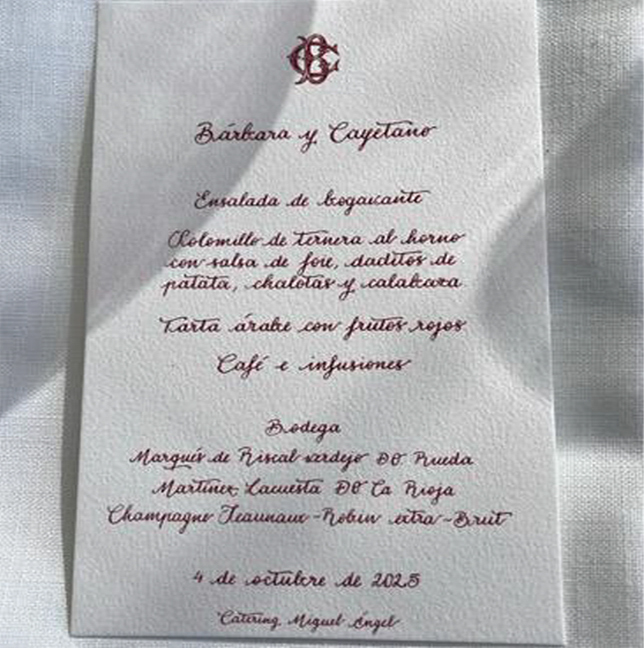
Do you know the story of how a wine from Haro ended up at an aristocratic wedding and made headlines?
Click on the image and discover the anecdote.