
Rioja and Ribera. Martínez, Lacuesta and Camelo, Rodero. Masters of the time.
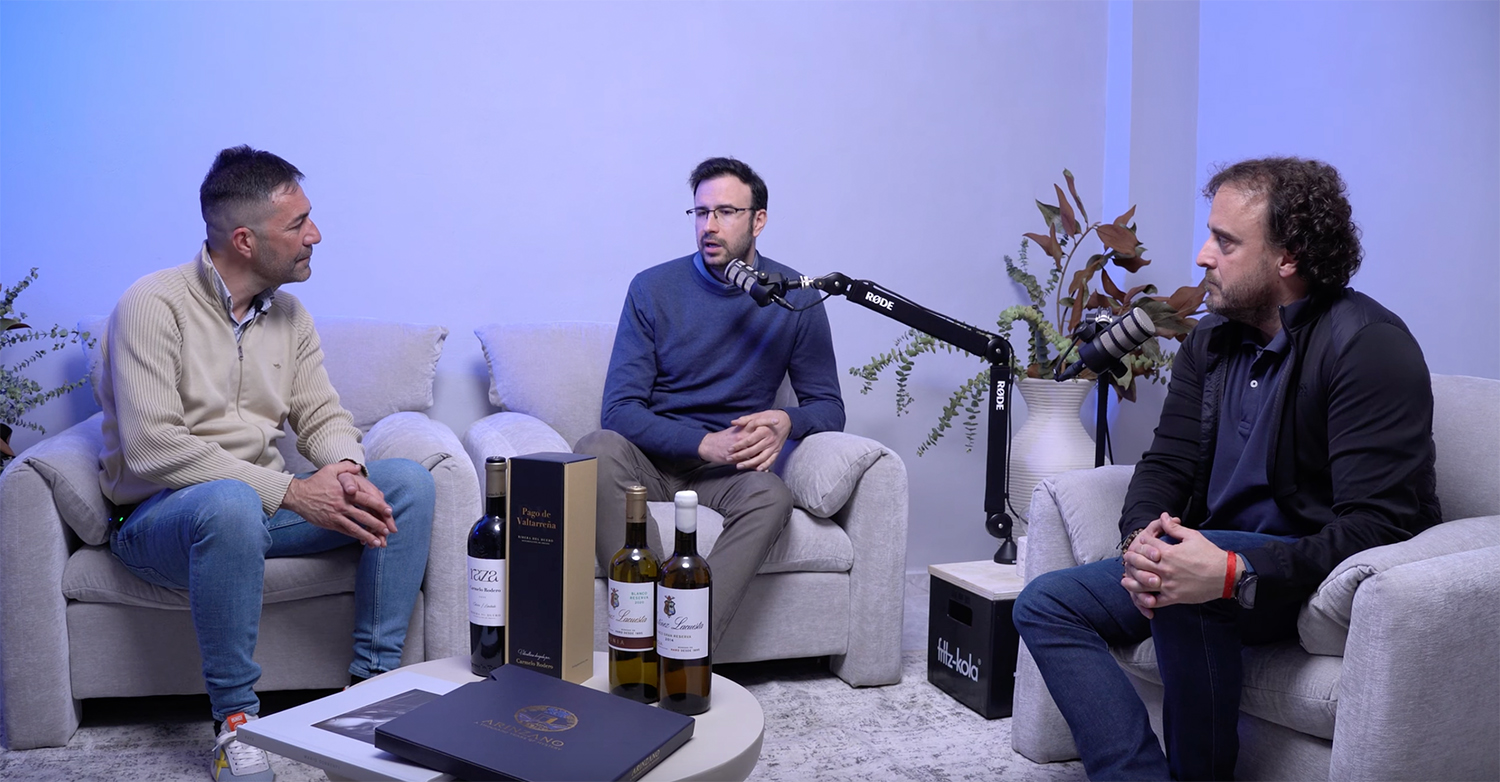
The fourth episode of the Sólido y Líquido wine podcast brought together Javier Bañales, general manager of Bodegas Martínez Lacuesta, and Jesús Sánchez, ambassador of Bodegas Carmelo Rodero, in Mallorca. A conversation between two Masters of Time.
26 Jun 2025 | Martínez Lacuesta
The fourth episode of the Solid and Liquid wine podcast brought together Javier Bañales, general manager of Bodegas Martínez Lacuesta, and Jesús Sánchez, ambassador of Bodegas Carmelo Rodero, in Mallorca. Both narrated, in the past and with perspective, how two century-old appellations have revalidated their prestige in recent years, while consumers have demanded more authenticity than ever.
Panorama 2024: markets that reward identity
Bañales opened the conversation by stating that he “saw Rioja as more alive than ever”, thanks to the coexistence between historic houses and young projects that rescued heritage vineyards. Sánchez replied that Ribera del Duero “was going through a sweet period ” because, although global consumption was falling, the public was inclined towards wines of higher quality and strong local character.
Both agreed that the pandemic consolidated a curious drinker, willing to pay for origin and story – an opportunity that wineries seized with wine tourism, limited editions and digital storytelling.
Time and excellence: fine-tuning as a shared hallmark
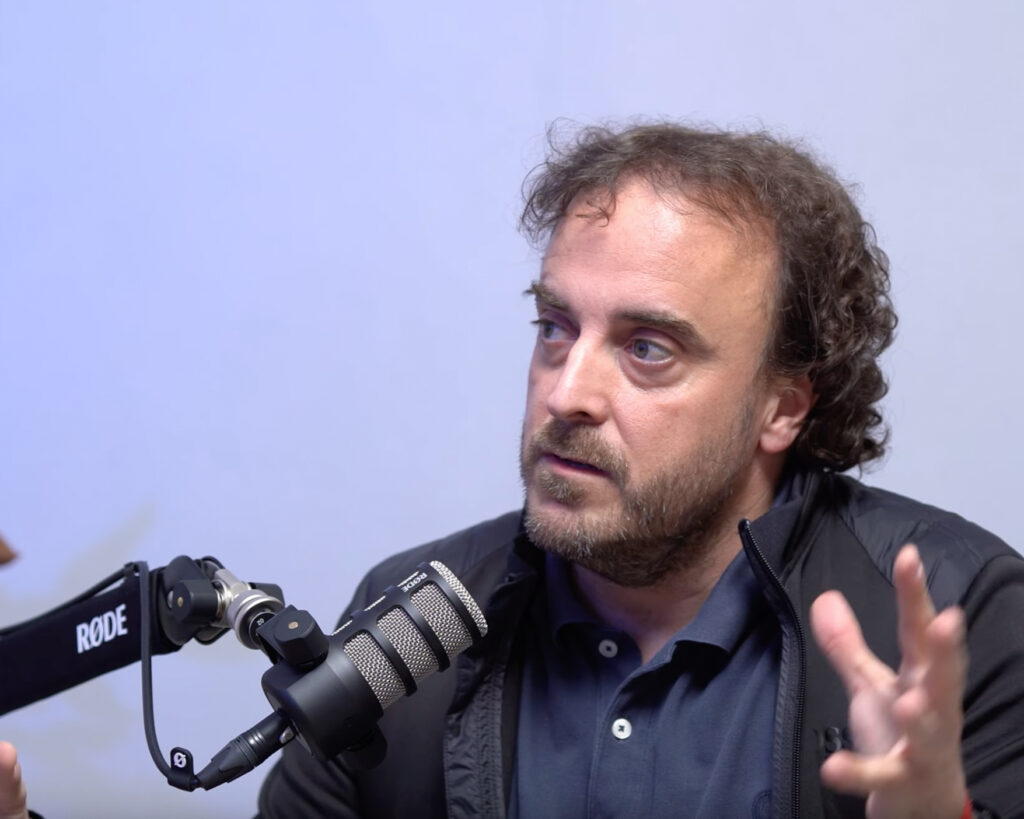
From Haro, Bañales recalled Martínez Lacuesta’s obsession with long ageing: “Once you put the cork in, the wine began to manage itself”. This philosophy of refining allowed the release of reserves only when the bottle reached fullness, reinforcing the reputation of the house.
Sánchez recounted how Rodero applied the same patience to innovation: when he was asked to bottle a white albillo, Carmelo replied that, with his surname on the label, “he would not make anything out of business necessity, but only when it was excellent and would still be excellent ten years later”. The anecdote underlined that immediacy should not prevail over quality, even in a Ribera famous for its young oak trees.
Brand and terroir: two inseparable compasses
The Riojan defended that ” brands made the denominations”; for him, labels such as Campeador have sustained collective credibility for more than a century.
He gave a practical example: in 2024 Rodero replaced his classic Reserva with Raza, a Tempranillo from five old vines at 900 m that enhanced Pedrosa del Duero over the formal category. “Raza was born… that tempranillo from Pedrosa that we wanted to highlight “, he explained. The lesson was clear: the brand counts, but it must anchor its narrative in a recognisable landscape.
The challenge of balance in a hot country
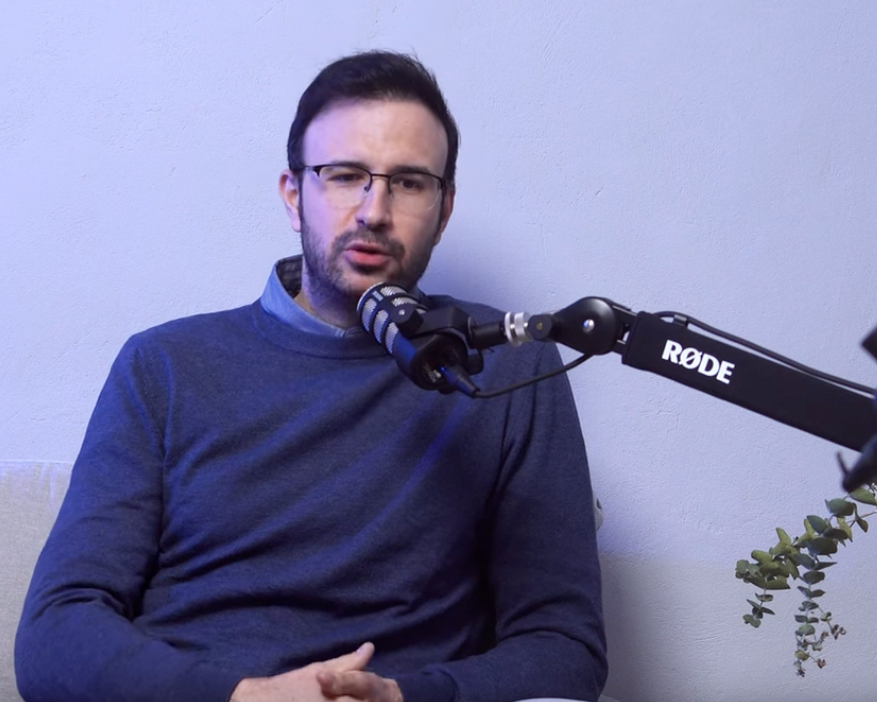
Bañales summed up the key to longevity with a maxim learned in Jerez: “The only way to become old is to be a great young man”For him, freshness -fine acidity and tannin- guaranteed that a classic Rioja would conquer decades of cellaring.
Sanchez dismantled the prejudice of high alcohol levels: “We look for altitude and long maturation periods so that the customer does not perceive those 14.5-15%”. High altitude viticulture and delicate extractions have allowed Ribera to offer powerful and, at the same time, gastronomic reds -a growing demand in restaurants and private consumption.
Quiet revolution: innovating to remain classics
Both executives recalled that family wineries only remained relevant when they “revolutionised the henhouse” without betraying their style. Martínez Lacuesta drastically reduced the use of new barrels and opted for aged whites; Carmelo Rodero refined the design of its top range with domestic enjoyment in mind. The conversation closed with a consensus: history is attractive when it remains active and dialogues with the avant-garde.
We invite you to watch the full talk
If you are passionate about the winemaking tradition and want to hear every nuance of this conversation about Rioja wine, Ribera and the future, we invite you to enjoy the full episode on our YouTube channel. Cheers!